
Ormond Beach Trusts Lawyer
Ormond Beach Trusts Lawyer
A trust is a useful tool to preserve your assets and distribute your estate to beneficiaries as you desire after your death. Assets in a trust are usually passed over during the probate process, and those who receive them may pay fewer taxes, as well. If you are in the Ormond Beach area and want to establish a trust or need assistance executing one after the death of a family member, you should seek the advice of an Ormond Beach trusts lawyer.
The Preston Law Firm – Your Estate Planning Attorneys
At The Preston Law Firm, we have a legacy of service that spans more than four decades. We are skilled in estate planning and helping our clients protect what they worked so hard to build. We prioritize integrity, compassion, and care in everything we do. Our office is on South Orange Street in New Smyrna Beach, making it easy for our Ormond Beach clients to come in and discuss their needs.
We know that thinking about what happens after we’re gone can be emotional and stressful, but we help our clients plan for the future with confidence.
If you want to work with an experienced Daytona Beach estate planning lawyer, The Preston Law Firm is here to help you take the next step with peace of mind.
What Are Trusts?
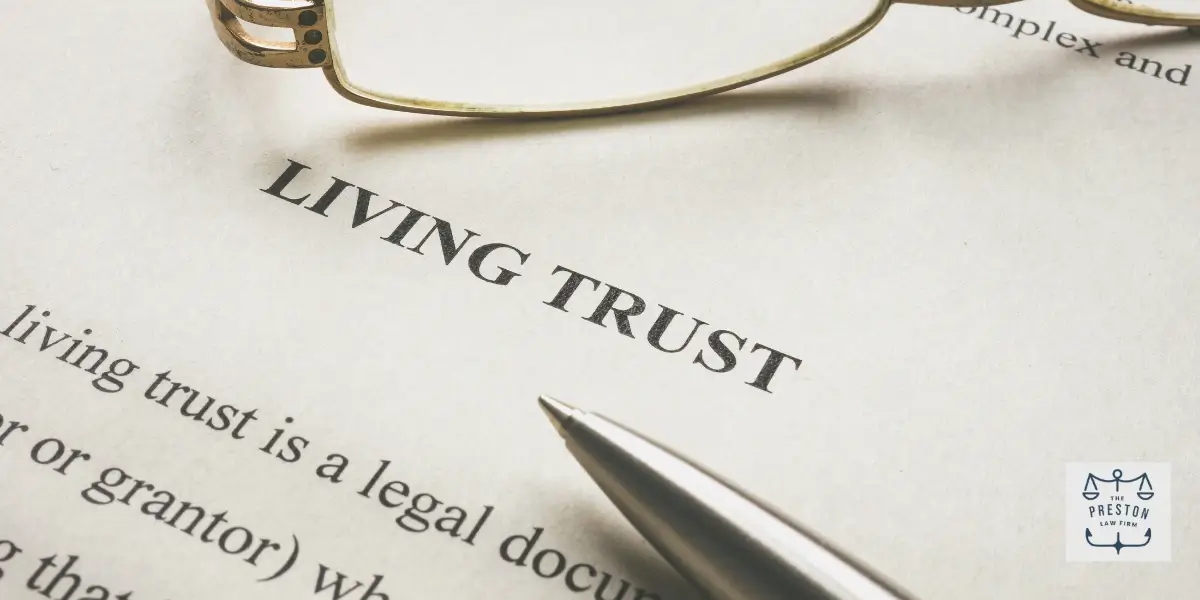
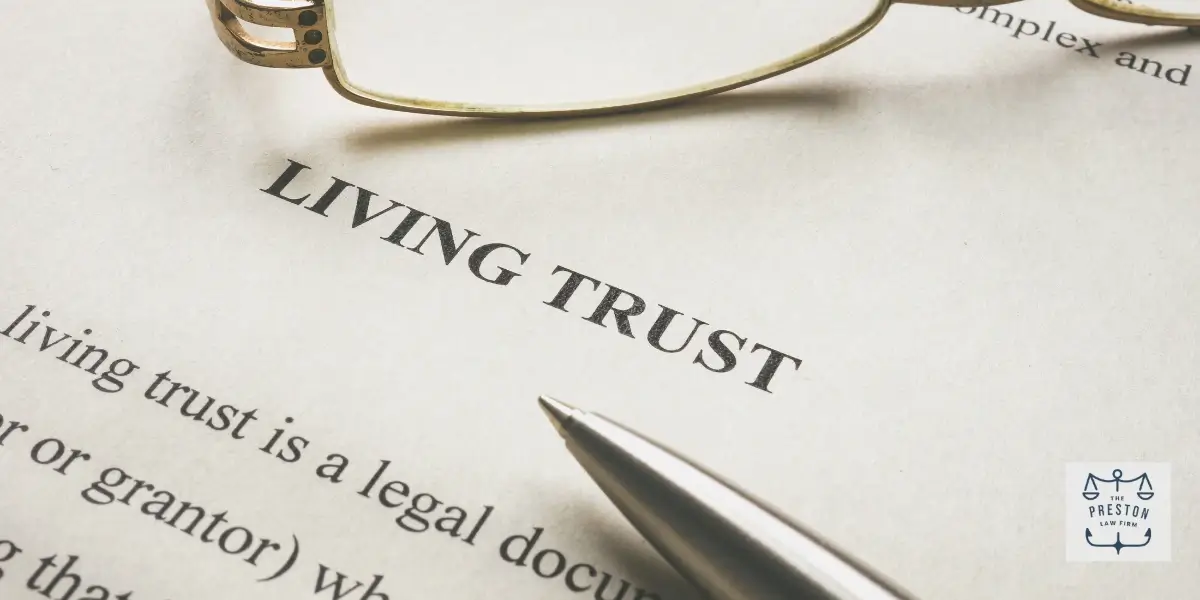
A trust is a legally binding financial agreement that transfers ownership of specific assets to the trust itself. A trust agreement involves three entities: the grantor, the beneficiary or beneficiaries, and the trustee. The grantor is the person who owns the assets, who is usually the person directly establishing the trust. Beneficiaries are people named by the grantor to receive certain assets or a percentage of the assets. The entity responsible for executing the trust is the trustee.
Based on recent data, only 13% of Americans have a trust. There is an incorrect perception among the general public that only people who are very wealthy have any use for trusts. While it is true that people with high net worth can benefit greatly from trust arrangements, this is also the case for people with fewer assets. Regardless of the size of your estate, a trust can help you make sure your money and property go where you wish.
Are There Different Kinds of Trusts?
There are several unique kinds of trusts that serve specific purposes, but for each of them, the following categories may apply:
- Testamentary or living: A testamentary trust is enacted after the grantor’s death based on instructions in the grantor’s will. On the other hand, living trusts are created during the grantor’s lifetime.
- Revocable or irrevocable: A revocable trust can be modified if the grantor is still alive. Included assets and beneficiaries can change. An irrevocable trust is set in stone once it is established.
- Funded or unfunded: A funded trust is one with ownership and control of assets. An unfunded trust is a trust agreement with no financial backing. Unfunded trusts usually become funded upon the grantor’s death.
Why People Establish Trusts
The typical impetus for setting up a trust is estate planning. Trusts usually allow included assets to bypass probate and possibly avoid some inheritance taxes, so they are attractive to people making plans to pass down their property.
The process of distributing an estate after the owner’s death is called probate and is handled by the Volusia County Courthouse. In Florida, probate is governed by Title XLII, Chapter 733 of the Florida Statutes.
In the usual process, the decedent’s estate is used to pay their outstanding debts, and then the remainder of the assets are distributed according to the person’s will. If there is no will, leftover assets are given to next of kin in the order of inheritance, starting with a spouse if the person had one. Deciding between a will and a trust really comes down to what you want for your family and how much control you need over your assets.
When people say that assets in a trust are safe from probate, they mean that those assets usually cannot be used to pay the deceased person’s debts. As a result, beneficiaries get them much more quickly and often without conflict. Additionally, some trust arrangements allow assets to be exempt from certain inheritance taxes, which means beneficiaries ultimately inherit more.


The Preston Law Firm
Experience the Difference. Choose an Trusts Law
Firm Dedicated to You and Your Family.
The First Step: Hire a Trusts Lawyer in Ormond Beach
Whether you are drawing up a new trust or executing an existing one, it is in your interests to hire a trusts lawyer to help you. Trust laws can be complex, and making mistakes can result in lost time and money. With the help of an experienced Ormond Beach trust attorney, you can be sure that you are protecting yourself or executing your loved one’s wishes properly.
FAQs
What Happens to a Revocable Trust When the Grantor Dies?
When the grantor of a revocable trust dies, the trust usually automatically becomes irrevocable. Because the purpose of a revocable trust is to allow the grantor to make changes as they see fit during their lifetime, the terms of the trust are considered finalized upon the grantor’s death and can be changed by no one.
Can I Make My Minor Child a Beneficiary of My Trust in Florida?
Yes, you can make your minor child a beneficiary of your trust in Florida. However, a minor child cannot own and control property in their own right. If you put your assets into a trust for your child, the trust will maintain control of the assets until your child reaches the age of majority, at which point legal ownership can pass to them.
How Does a Lawyer Help Execute a Trust?
A lawyer can help you execute an existing trust by providing legal advice and reviewing documents as you go through the process. Mistakes during the execution of a trust can be costly, in terms of both time and money, so sound legal advice can help you protect yourself against possible missteps.
If I Have a Trust, Does That Mean I Don’t Need a Will?
No, having a trust does not mean you don’t need a will. While a trust is a useful tool for protecting assets and passing them to beneficiaries without the need for probate, a will is still important to make sure your wishes are known. You can give directions for any assets not included in the trust in your will, and your will can also support the terms of your trust.
Contact The Preston Law Firm Today
Whether you are making plans for your own estate or honoring the wishes of a loved one, we at The Preston Law Firm stand ready to help you. Contact us today to see what we can do for you.

Address
The Preston Law Firm
605 South Orange Street
New Smyrna Beach, FL 32168
Copyright © 2026 The Preston Law Firm. All Rights Reserved.